
The Alpe d’Huez Triathlon and OVERSTIM.S welcome you to this page dedicated to Triathlon Nutrition. From basic principles to more technical advice, the nutritionists at OVERSTIM.S, official partner of the event, have prepared this content to help you achieve better health and improved performance.

Good hydration is essential for performing well in a demanding triathlon such as the Alpe d’Huez. Before the race, drink 1.5 to 2 litres of water regularly throughout the day and make sure your urine is clear. During the race, consume 500 to 750 ml of fluid per hour, including an isotonic drink to compensate for electrolyte loss. After the event, rehydrate with a mineral-rich drink to optimise recovery. Proper hydration prevents dehydration, cramps and performance declines (2% dehydration leads to a 20% decline in performance).

Energy is essential for maintaining the intensity and duration of a triathlon. It comes from macronutrients: carbohydrates, fats and proteins, each of which plays a key role. Carbohydrates are the main fuel source during exercise, but reserves are limited. It is therefore recommended to consume around 60 g of carbohydrates per hour to delay energy depletion. Fats, which are mobilised gradually, become essential during prolonged exercise. Proteins, although mainly used for recovery, can also be broken down in the event of an energy deficit. Finding the right balance between these sources helps to optimise performance and avoid energy slumps.
Recovery is crucial after a triathlon to repair muscle fibres damaged by exercise and prevent injury. Hydration helps to compensate for fluid and electrolyte losses, facilitating the transport of nutrients needed for muscle cell repair and reducing the risk of cramps. Nutrition plays a key role, particularly protein for muscle rebuilding and carbohydrates for replenishing energy stores. Consuming a recovery meal or drink within 30 minutes after exercise accelerates muscle regeneration, reduces fatigue and helps prevent muscle injuries.

During endurance exercise, your body requires a reliable energy supply that is easy to digest and capable of sustaining your effort. Energix Energy Gel has been specifically designed to meet these requirements during long-distance events.
Energix provides 26 g of carbohydrates and 100 kcal per serving and contains three complementary carbohydrate sources (glucose, fructose and maltodextrins), delivering progressive and sustained energy without causing sharp fluctuations in blood sugar levels.
Enriched with BCAAs and vitamin B6, it helps preserve muscular endurance and reduce exercise-induced fatigue.
With its liquid texture, preservative-free formulation and natural flavours, Energix ensures excellent digestive tolerance, even after several hours of effort. It can be easily consumed every 45 minutes during the event, accompanied by one or two sips of water.
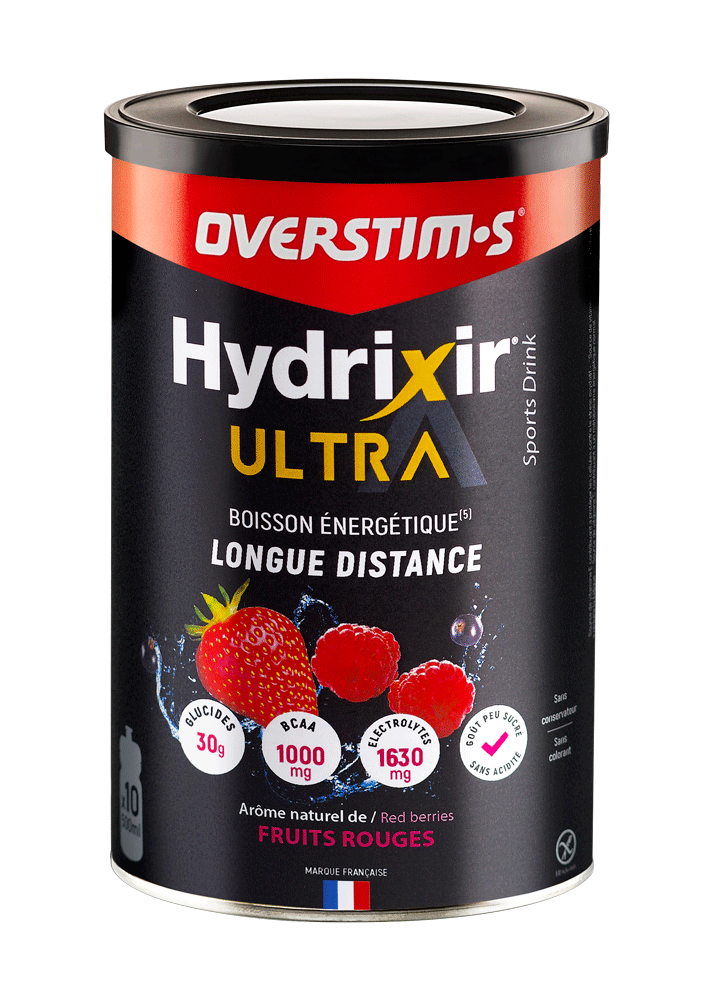
When the effort is prolonged, your drink must do everything: hydrate you, provide energy, limit muscle breakdown… and be easy to digest. The Hydrixir Ultra energy drink from Overstims has been designed to meet all these requirements in long and intense events.
Formulated with 1,630 mg of electrolytes per serving (sodium, magnesium, calcium, potassium), Hydrixir Ultra effectively compensates for losses due to perspiration, preventing cramps and dehydration.
Thanks to three complementary sources of carbohydrates, it guarantees a gradual and stable energy supply, ideal for sustaining effort over time without sudden changes in blood sugar levels.
With 1000 mg of BCAA per dose and sodium bicarbonate, Hydrixir Ultra helps preserve muscle function and limit acidification of the body. 6 vitamins (B1, B3, B5, B6, C and E) complete this action by fighting fatigue and oxidative stress.
Low in sugar, with no acidity or preservatives, and made with natural flavours, its formula ensures optimal digestive tolerance, even during prolonged exercise.
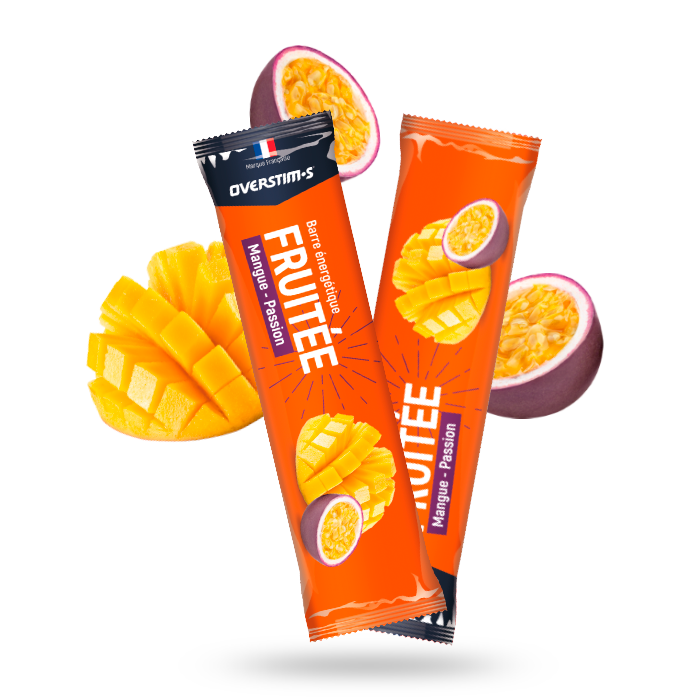
The Mango Passion Fruity Bar has been specially designed to support endurance athletes. This fruit concentrate provides rapidly available energy while ensuring optimal digestive comfort.
Providing 110 kcal per bar, it effectively supports you over long durations. Made with 40% dried mango combined with passion fruit, it offers a fast and sustained source of energy, making it ideal for endurance events.
Enriched with natural vitamin C and vitamin B1, it helps reduce fatigue and supports energy metabolism throughout exercise.
With its soft texture, this bar can be consumed effortlessly, even during activity, while guaranteeing excellent digestibility.
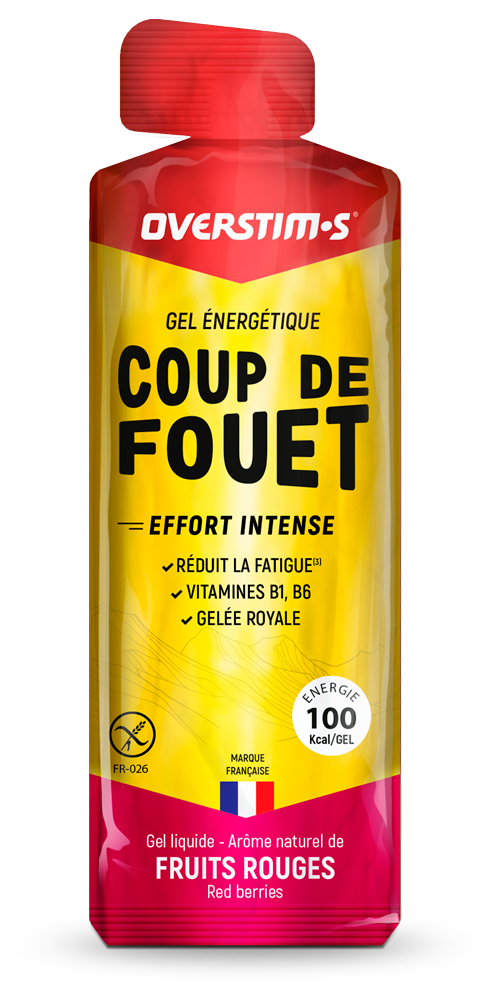
When the intensity of your effort suddenly increases, your body needs to react quickly. Overstims energy gel is your ideal ally for intense efforts, thanks to its concentrated carbohydrate formula (26 g per gel / 100 kcal). It provides an immediate boost to keep you performing at your best at every moment of your race.
Enriched with vitamin B6, which contributes to energy metabolism and helps reduce fatigue, it also contains royal jelly, used to supplement energy intake.
Its liquid texture, natural flavours and absence of preservatives make it easy to consume and well tolerated by the digestive system, even during prolonged exercise.

Ultra Gummies have been developed to provide endurance athletes with a fast, practical and easy-to-consume source of energy during exercise, in a chewable gel format.
Providing 32 g of carbohydrates per pouch, they deliver rapidly available energy to support performance and help delay the onset of fatigue.
Enriched with three electrolytes (sodium, calcium and magnesium), they contribute to maintaining electrolyte balance and proper muscular function during exercise.
The Lemon–Lime version, enriched with 80 mg of caffeine, helps improve alertness and concentration during exercise.
Thanks to their chewable gel texture, Ultra Gummies offer an alternative texture and mouthfeel during exercise, helping to reduce flavour fatigue during prolonged efforts.
The success of a triathlon such as the Alpe d’Huez depends on structured nutritional preparation, which must be planned several weeks in advance. During this general phase, the diet aims to support training and stabilise nutritional status. It is based on a balanced distribution of macronutrients. Carbohydrates should represent 55 to 65% of total energy intake (TEI), with a focus on complex sources (cereals, legumes) due to their low glycaemic index, which allows for a gradual release of energy. Protein should make up 15 to 20% of TEE, with a particular focus on high biological value sources (eggs, fish, lean meat, legumes) to preserve muscle mass. Fat should be limited to 25-30% and come mainly from unsaturated sources (vegetable oils, oily fish, oilseeds) to ensure a stable release of energy and support cell function. Hydration must be regular (1.5 to 2 litres of water per day) to ensure optimal hydration, maintain electrolyte balance and prepare the body for intense physical exertion. In the three days before the race, a carbohydrate loading strategy is implemented to maximise muscle and liver glycogen stores. Carbohydrate intake should be increased (60 to 70% of TET), while slightly reducing fibre and fat to avoid digestive overload. Finally, on the morning of the race, a complete breakfast, rich in carbohydrates, moderate in protein and low in fat is recommended to replenish energy and avoid gastrointestinal problems during exercise.
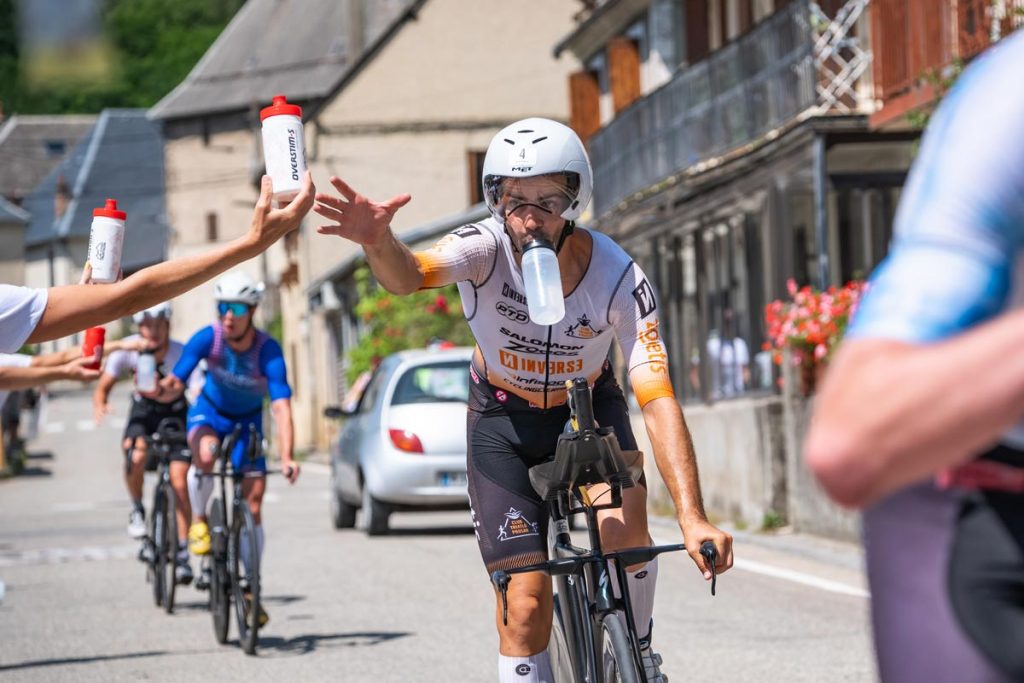
During exercise, energy balance management is crucial, particularly due to the high energy demands of the event. Energy metabolism relies mainly on carbohydrates, which are mobilised from glycogen stocks. When muscle glycogen stores are partially depleted, lipids begin to be mobilised to provide energy. It is essential to maintain an exogenous carbohydrate intake during exercise to avoid hypoglycaemia and depletion of reserves. It is recommended to aim for an intake of 60 to 90 g of carbohydrates per hour during long-term efforts, such as the Alpe d’Huez events. In addition, hydration is essential for maintaining adequate blood volume, which ensures efficient circulation of nutrients and oxygen to the muscles, while facilitating the elimination of metabolic waste products. Furthermore, hydration enriched with electrolytes helps prevent electrolyte imbalances and dehydration, particularly during events in hot conditions such as the Alpe d’Huez triathlon. Electrolytes (sodium, calcium, potassium, magnesium) help maintain fluid balance and support muscle function, which is crucial for preventing cramps and muscle disorders. It is therefore recommended to consume 500 to 750 ml of fluid per hour of exercise. During long climbs, particular attention should be paid to the digestion of energy substrates to avoid gastric overload. It is also important to anticipate the descent phases, as it becomes more difficult to eat and drink properly during this period due to the speed and concentration required.
Post-exercise recovery is a crucial phase in optimising performance and preventing chronic fatigue. After intense exercise such as a triathlon, the body needs to restore its energy reserves, repair damaged muscle fibres and rebalance cellular hydration. One key strategy is to take advantage of the metabolic window, a period of increased sensitivity to nutrients that lasts for about an hour after exercise. Carbohydrate intake is essential for replenishing glycogen stores, the main energy substrate mobilised during exercise. High glycaemic index carbohydrates are quickly absorbed, allowing for effective muscle replenishment. Protein enables muscle fibre repair and must be of high biological value to ensure a complete profile of essential amino acids. Hydration also plays a central role in recovery. Exercise causes water and electrolyte loss through sweating, which affects the internal balance of cells and muscle contractility. Rehydration is necessary to restore plasma volume and limit the risk of cramps or electrolyte imbalances. Finally, beyond this initial phase of immediate recovery, a balanced meal is essential to support muscle and immune regeneration. It should contain complex carbohydrates (starchy foods) for a gradual release of energy, lean proteins (eggs, white meat, cottage cheese) to prolong muscle synthesis, and unsaturated fats (omega-3: walnuts, rapeseed oil) with anti-inflammatory properties. The inclusion of antioxidants (vitamins C and E, polyphenols) through fresh fruit and vegetables also helps to limit oxidative stress induced by prolonged exercise.
The goal during the three days before the race is to optimise glycogen stores without overloading the digestive system. It is recommended to increase your intake of complex carbohydrates (60-70% of your TET) 72 hours before the event, while slightly reducing your intake of fibre and fat to limit the risk of digestive problems. Consuming Malto Antioxidant or Malto Ultra provides the necessary amount of carbohydrates without overloading the digestive system, while ensuring ideal hydration levels. In fact, increasing the amount of carbohydrates in regular meals can overload the digestive system.
Taking an energy gel 5 to 10 minutes before the start may be useful if your last meal was several hours ago. It helps prevent early hypoglycaemia and ensures an immediate supply of carbohydrates. We recommend the Antioxidant gel, enriched with electrolytes and antioxidants, which helps prevent cramps during exercise and contributes to good energy performance.
Gatosport is an excellent option because it is designed to be easy to digest and energy-rich. It contains over 500kcal per serving and is specifically formulated for the needs of athletes. It can be consumed on its own, with water, tea or coffee. Its easy-to-digest formula means it can be consumed up to 1 hour before exercise. It is recommended to consume 1/3 of the Gatosport portion before exercise to provide the necessary energy without overloading the digestive system.
It is essential to test products beforehand, ideally during intensive training sessions similar to race conditions. Gradually incorporate gels, drinks and bars into your long sessions to observe your digestive tolerance and adapt your nutritional strategy.
Yes, like any nutritional strategy, Overstim.s products should be used in advance and incorporated gradually. The gut adapts to carbohydrate absorption with training, which reduces the risk of digestive issues. It is recommended to test different concentrations and frequencies of intake to optimise tolerance.
Hydrixir Ultra is designed to provide all essential electrolytes (sodium, magnesium, calcium, potassium) tailored to the needs of runners. It effectively compensates for electrolyte loss through sweating, especially during prolonged exercise and in high temperatures. As a general rule, Hydrixir Ultra is sufficient to maintain a good electrolyte balance during exercise. Solid products, such as energy bars or gels, should be combined with the drink to cover carbohydrate requirements and ensure a continuous source of energy during exercise.
No, the recommendations for carbohydrate intake during exercise (60 to 90 g/h) are the same for all athletes, regardless of weight and gender. They are based on the maximum intestinal absorption capacity of carbohydrates and not on morphological criteria. However, each individual must adapt their strategy according to their digestive tolerance and training to carbohydrate intake.
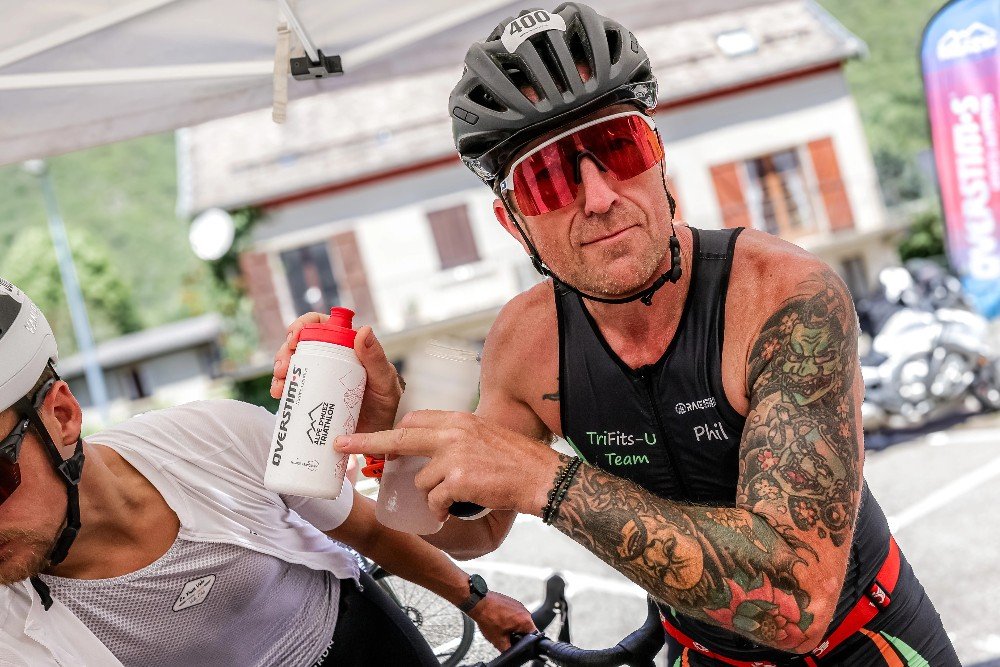
At all aid stations, volunteers wear white OVERSTIM.S T-shirts. They hand out bottles (for cycling) to participants as they pass by and shout out the name of the product available. The same applies to gels and bars. On the cycling route, Hydrixir drinks are distributed in 500ml white bottles bearing the Overstim.s colours. During the running event, cups are handed out by volunteers.
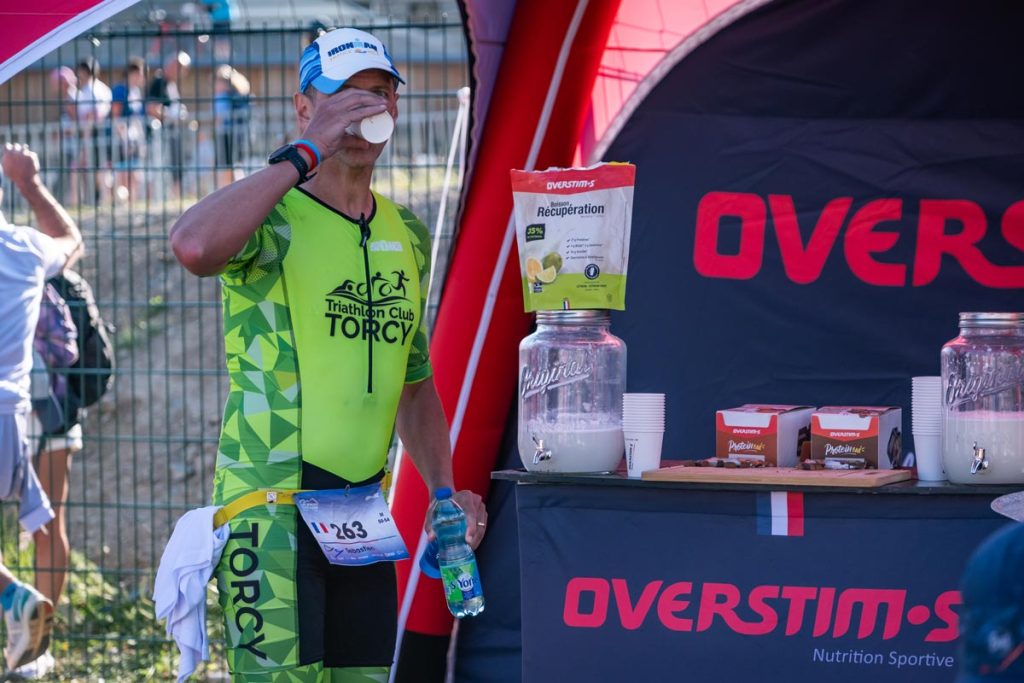
In the event of a sudden rush at a refreshment station, gels and bars are clearly displayed on tables under the refreshment tents and are available to all participants.